
Published on April 30, 2026
May is Stroke Awareness Month
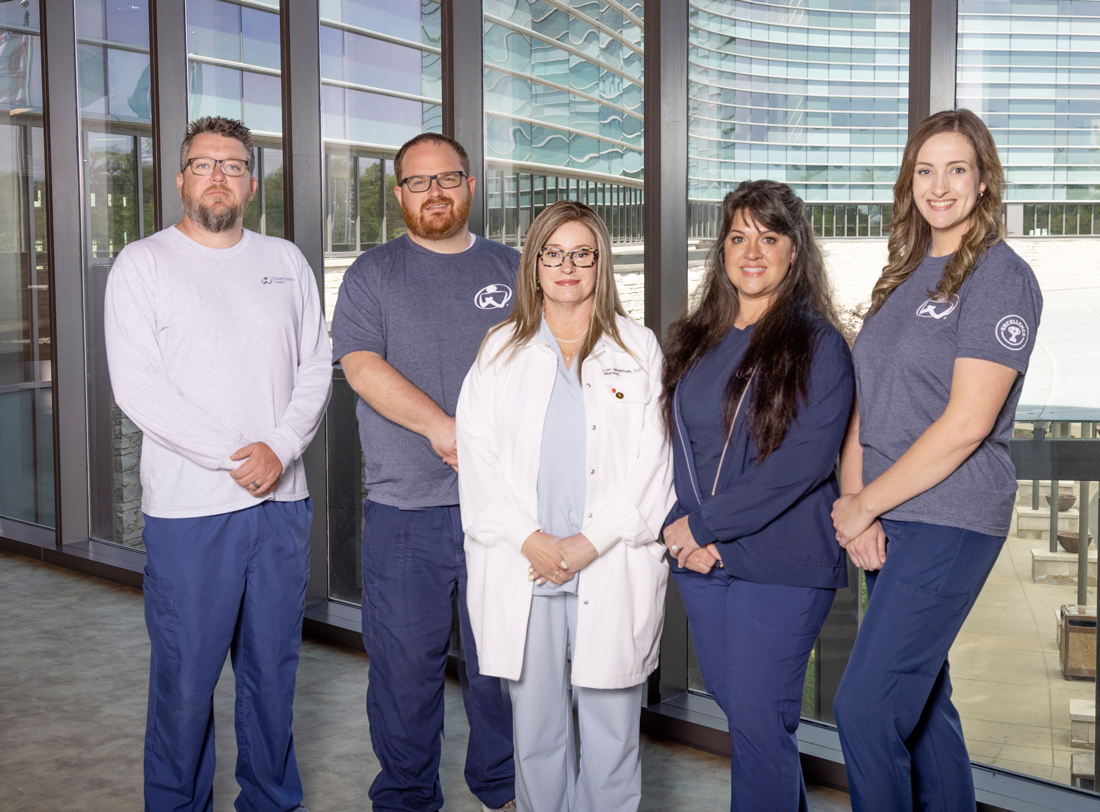
Some of our skilled Stroke Care Team professionals who play a vital role in delivering timely, life‑saving care: Daniel Igleheart, Jared Williams, Dr. Lori McIntosh, Angela Thomas & Laine Duke
May is Stroke Awareness Month, a time to raise awareness of stroke, a serious and life‑threatening medical emergency. A stroke occurs when blood flow to the brain is interrupted or when a blood vessel in the brain ruptures. Without oxygen and nutrients, brain cells begin to die within minutes. Stroke is one of the leading causes of death in the United States and a primary cause of long‑term disability, affecting nearly 800,000 people each year.
The brain relies on a constant supply of oxygen‑rich blood. When that flow is interrupted by a clot or bleeding in the brain, damage occurs quickly and can impact speech, movement, memory or be fatal. Recognizing the signs of stroke and seeking immediate medical care can save lives.
Who is at Risk?
Anyone can have a stroke, but risk increases with age, high blood pressure, high cholesterol, diabetes, heart disease, or a prior stroke or mini stroke (TIA). Smoking, poor diet, inactivity, obesity, excessive alcohol use and drug use also raise risk.
Family history, genetics and conditions like sleep apnea also contribute. While strokes are more common in older adults, they can happen at any age.
What are the signs?
BE FAST
Know BE FAST and act quickly:
- B – Balance: Loss of coordination or dizziness
- E – Eyes: Change in vision in one or both eyes
- F – Face drooping: One side of the face may droop or feel numb
- A – Arm weakness: Sudden weakness or numbness in one arm or leg
- S – Speech difficulty: Slurred speech or trouble speaking or understanding
- T – Time to call 911: If you see any of these signs, call immediately
Other warning signs may include:
- Sudden confusion
- Trouble seeing in one or both eyes
- Sudden dizziness or loss of balance
- Severe headache with no known cause
Stroke is a medical emergency & every minute counts.
What can I do to prevent a stroke?
While not all strokes can be prevented, many risk factors are manageable. You can lower your risk by:
- Controlling blood pressure, cholesterol and diabetes
- Not smoking and avoiding secondhand smoke
- Eating a healthy diet rich in fruits, vegetables, whole grains and lean proteins
- Staying physically active and maintaining a healthy weight
- Limiting alcohol and avoiding drug use
- Managing stress and getting enough sleep
- Following your doctor’s advice and taking medications as prescribed
- Making healthy lifestyle choices and keeping regular medical checkups can significantly reduce your risk of stroke
Stroke Support Group
Visit our support group page to see meeting details for the Stroke Support Group.
Stroke Certified by The Joint Commission
Owensboro Health is proud of our continued Stroke Recertification with The Joint Commission, a reflection of our team’s unwavering commitment to delivering high-quality, life-saving care to our community.
More Information
To learn more, visit OwensboroHealth.org/stroke or reach out to our stroke clinical program specialist, Angela Thomas, at Angela.Thomas@owensborohealth.org.
At Owensboro Health, our team members work together to support stroke care and the health of everyone we serve. Through collaboration, expertise and compassion, we deliver patient-centered care while supporting one another and our community every step of the way.
About Owensboro Health
Owensboro Health is a nonprofit health system with a mission to heal the sick and to improve the health of the communities it serves in Kentucky and Indiana. The system includes Owensboro Health Regional Hospital, nationally recognized for design, architecture and engineering; Owensboro Health Muhlenberg Community Hospital; Owensboro Health Twin Lakes Medical Center; the Owensboro Health Medical Group comprised of over 350 providers at more than 30 locations; four outpatient Healthplex facilities, a certified medical fitness facility, the Healthpark; a weight management program, and the Mitchell Memorial Cancer Center.
On average each year, we have more than 19,000 inpatient admissions, deliver 2,000 babies and provide the region’s only Level III NICU. Owensboro Health physicians perform nearly 33,000 surgical procedures, including nearly 150 open-heart surgeries. Our physicians and staff have 90,000 Emergency Department visits and more than 1.25 million outpatient visits annually. Visit our home page for more information.